
by Paula Rivers Au.D | Jul 18, 2024 | News
Medications often become an integral part of our daily routines in our pursuit of optimal health. While these pharmaceuticals offer relief and treatment for various ailments, they can also bring about unwanted side effects. As healthcare professionals specializing in hearing health, audiologists play a vital role in managing medication side effects, particularly those that affect auditory function.
Understanding Ototoxicity
What is Ototoxicity?
Ototoxicity refers to the harmful effects that certain medications or chemicals can have on the delicate structures of the inner ear, leading to hearing loss, ringing in the ears (tinnitus), or balance problems.
These medications can damage the hair cells or nerves within the inner ear, disrupting the transmission of sound signals to the brain or affecting the body’s sense of balance.
Ototoxicity can be temporary or permanent and may vary in severity depending on factors such as the type of medication, dosage, and duration of exposure.
Common Ototoxic Medications
These medications have been associated with varying degrees of hearing loss, tinnitus, or balance issues:
- Aminoglycoside antibiotics: These drugs can lead to hair cell damage in the inner ear by generating free radicals.
- Chemotherapeutic agents like cisplatin: They affect outer hair cells, spiral ganglion cells, and the stria vascularis in the inner ear.
- Loop diuretics: They primarily target the stria vascularis in the inner ear, which plays a crucial role in maintaining the ionic composition of the endolymph and supporting normal hearing function.
- Salicylates and NSAIDs: High doses of these medications may reduce cochlear blood flow and harm outer hair cells.
- Quinine: These can cause vasoconstriction and reduce cochlear blood flow.
- Acetaminophen: Can induce oxidative stress, resulting in hair cell degeneration and impairment.
It’s important for individuals taking these medications to be aware of the potential side effects and to promptly report any changes in their hearing or balance to their healthcare providers.
Older adults are more susceptible to these effects due to the frequent use of ototoxic drugs for chronic conditions and age-related decline in renal function, highlighting the importance of monitoring ototoxic medication use in this population.
The Audiologist’s Role in Managing Medication Side Effects
Patient Education and Counseling
One of the audiologists’ primary responsibilities is educating patients about the potential side effects of their medications. Patients must understand the signs and symptoms of medication-induced hearing loss or other auditory disturbances and report any changes to their healthcare providers promptly.
By empowering patients with knowledge, audiologists contribute to early detection and intervention, which can help mitigate the impact of medication side effects on hearing health.
Comprehensive Audiological Assessments
When patients present with symptoms suggestive of medication-related auditory disturbances, audiologists conduct comprehensive assessments to evaluate their hearing function. Hearing tests may include pure-tone audiometry, speech audiometry, tympanometry, and otoacoustic emissions testing.
These assessments help audiologists determine the nature and extent of the auditory issues and guide appropriate management strategies.
Collaborative Care
Audiologists work closely with other healthcare professionals, including primary care physicians, otolaryngologists, and pharmacists, to ensure comprehensive care for patients experiencing medication side effects. By collaborating with these professionals, audiologists can coordinate efforts to monitor patients’ medication regimens, adjust dosages when necessary, and explore alternative treatment options that minimize ototoxic risk while addressing patients’ healthcare needs.
Audiologists in Austin, TX | RK Audiology
Audiologists are crucial in managing medication side effects that impact auditory function. By understanding ototoxicity, educating patients, conducting comprehensive assessments, and collaborating with other healthcare providers, audiologists contribute to early detection, intervention, and mitigation of medication-related auditory disturbances. Through these efforts, audiologists empower patients to safeguard their hearing health while benefiting from essential medications.
If you have concerns about medication side effects or want to schedule an audiological evaluation, contact RK Audiology in Austin, TX, today. Our team of experienced audiologists is here to provide personalized care and support for your hearing health needs.

by Paula Rivers Au.D | Jun 27, 2024 | News
Tinnitus, commonly referred to as a ringing in the ears, affects millions of people worldwide. It can be a frustrating and sometimes debilitating condition, causing constant noise perception in the ears without any external sound source.
While tinnitus can have various causes, including exposure to loud noises, age-related hearing loss, and certain medical conditions, recent research suggests that diet may also play a significant role in ear health and tinnitus management.
The Link Between Diet and Tinnitus
Dietary factors can influence overall health in numerous ways, and emerging evidence indicates that certain foods and nutrients may impact the development and severity of tinnitus. While more research is needed to fully understand these connections, several key dietary components have been identified as potential contributors to tinnitus:
Salt and Sodium
Excessive salt intake has long been associated with various health issues, including hypertension and cardiovascular disease. Recent studies suggest that high salt consumption may also exacerbate tinnitus symptoms. Salt can affect fluid balance in the body, including the fluids in the inner ear responsible for auditory function. Excess salt may disrupt this balance, leading to increased pressure in the cochlea and heightened tinnitus perception.
Reducing salt intake, particularly from processed and packaged foods, may help alleviate tinnitus symptoms for some individuals. Opting for fresh, whole foods and flavoring meals with herbs and spices instead of salt can support overall ear health and potentially reduce the severity of tinnitus.
Caffeine and Alcohol
Both caffeine and alcohol are known to affect blood flow and circulation in the body, including within the delicate structures of the inner ear. While moderate consumption of caffeine and alcohol is generally considered safe for most people, excessive intake may worsen tinnitus symptoms in some individuals.
Caffeine, found in coffee, tea, energy drinks, and chocolate, can act as a stimulant and may increase heart rate and blood pressure, potentially intensifying tinnitus perception. Similarly, alcohol can dilate blood vessels and disrupt normal blood flow, leading to changes in auditory function and exacerbation of tinnitus.
Moderation is key when it comes to caffeine and alcohol consumption, especially for those experiencing tinnitus. Limiting intake and being mindful of how these substances affect individual symptoms can help manage tinnitus and promote ear health.
Antioxidants and Anti-inflammatory Foods
Conversely, certain nutrients with antioxidant and anti-inflammatory properties may have a protective effect on hearing health and tinnitus. Antioxidants, such as vitamins C and E, and minerals like zinc and magnesium, help combat oxidative stress and inflammation, which can contribute to age-related hearing loss and tinnitus.
Fruits, vegetables, nuts, seeds, and fatty fish are rich in antioxidants and anti-inflammatory compounds. Incorporating these nutrient-dense foods into your diet can support overall ear health and potentially reduce the risk of developing tinnitus or mitigate its severity.
Take Control of Your Ear Health
While diet alone may not cure tinnitus, mindful dietary choices can help manage symptoms and support overall ear health. By reducing salt intake, moderating caffeine and alcohol consumption, and incorporating antioxidant-rich foods into your diet, you can take proactive steps to minimize tinnitus discomfort and preserve auditory function.
Tinnitus Assessment in Austin, TX | RK Audiology
While tinnitus can be challenging to manage, understanding the potential impact of diet on ear health can empower individuals to make informed choices that may alleviate symptoms and promote overall well-being. By prioritizing a balanced diet rich in nutrients that support auditory function and avoiding dietary triggers that exacerbate tinnitus, you can take control of your ear health and improve your quality of life.
If you’re experiencing tinnitus or have concerns about your hearing health, seeking guidance from a qualified audiologist is essential. At RK Audiology in Austin, TX, our team of experienced professionals is dedicated to helping you understand your hearing needs and providing personalized solutions to improve your quality of life. Contact us today to schedule a consultation and take the first step towards better hearing health.

by Paula Rivers Au.D | Jun 18, 2024 | News
Hearing loss can be a challenging experience for anyone, but with the proper support and tools, adjusting to life with hearing aids can greatly improve one’s quality of life. If you have a loved one who has recently been fit with hearing aids, it’s essential to understand the adjustment process and how you can offer support during this transition period.
Understanding the Adjustment Process
Getting Acclimated to Sound
When someone first begins wearing hearing aids, they commonly feel overwhelmed by the sudden influx of sound. Everyday noises they may not have heard clearly in years can now seem incredibly loud and distracting. This adjustment period is normal and typically lasts from a few days to a few weeks.
Patience is Key
Patience is crucial during this adjustment phase. Encourage your loved one to wear their hearing aids consistently. Remind them that it takes time for the brain to adapt to hearing aids and for the sounds to become more natural.
Providing Emotional Support
Open Communication
Encourage open communication with your loved one about their experience with hearing aids. Listen to their concerns and offer reassurance that the discomfort they may be feeling is temporary. Let them know it’s okay to feel frustrated or overwhelmed and that you’re there to support them every step of the way.
Offer Encouragement
Positive reinforcement can go a long way in helping your loved one adjust to their new hearing aids. Celebrate small victories, such as hearing a familiar sound or engaging in a conversation more comfortably. Encourage them to stay motivated and remind them of the long-term benefits of wearing their hearing aids.
Practical Tips for Adjusting to Hearing Aids
Start Slow
Encourage your loved one to ease into wearing their hearing aids by gradually increasing the time they wear them daily. This can allow them to adjust more comfortably.
Practice Listening
Engage in listening activities like watching television or having conversations in quiet environments. This can help your loved one retrain their brain to process sounds more effectively with their hearing aids.
Utilize Additional Resources
Encourage your loved one to utilize resources, including their audiologist, various support groups, and online forums for individuals with hearing loss. These resources can provide valuable information, tips, and support from others who have gone through similar experiences.
Seeking Professional Help
Regular Follow-Up Visits
Encourage your loved one to schedule regular follow-up visits with their audiologist to ensure their hearing aids are functioning correctly and to address any concerns or adjustments that may be needed.
Educate Yourself
Take the time to educate yourself about hearing loss and hearing aids to understand better what your loved one is going through. This knowledge can help you provide more effective support and assistance.
Hearing Aids in Austin, TX | RK Audiology
Adjusting to new hearing aids can be challenging. With patience, support, and the right resources, your loved one can successfully adapt to their new way of hearing. Remember to be patient, offer encouragement, and seek professional help when needed. By working together, you can help your loved one enjoy the benefits of improved hearing and a better quality of life.
If you or a loved one is struggling with hearing loss, don’t hesitate to ask for help. RK Audiology in Austin, TX, offers comprehensive hearing care services to help you find the right solution. Contact us today to schedule a consultation and take the first step towards better hearing.

by Paula Rivers Au.D | Apr 30, 2024 | News
Hearing loss is a common issue that affects millions of people worldwide. The impact on one’s quality of life can be significant, whether it’s due to exposure to loud noises, age-related hearing loss, or other factors.
If you’re considering getting a hearing aid to improve your hearing, you may wonder whether it’s better to consult an audiologist for this important decision. Let’s explore why visiting an audiologist for your hearing aid needs may be your best choice.
Understanding the Role of a Hearing Aid Dispenser
A hearing aid dispenser specializes in fitting and dispensing hearing aids for adults. They conduct thorough hearing tests to assess the extent of hearing loss and determine the most suitable hearing aid solutions.
Using their expertise, they select and customize hearing aids to meet their clients’ individual needs and preferences. Additionally, they guide the proper use and care of hearing aids, ensuring optimal performance and satisfaction.
However, it’s important to note that hearing aid dispensers typically do not work with pediatric patients, focusing solely on serving adults with hearing impairments.
Expertise Matters: Why Audiologists Stand Out
Specialized Knowledge and Training
Audiologists are highly trained professionals with specialized knowledge in assessing, diagnosing, and treating hearing disorders. They undergo extensive education and clinical training to obtain their degrees and certifications. Their expertise lets them thoroughly evaluate your hearing and recommend the most appropriate solutions tailored to your needs.
Personalized Care and Support
When you visit an audiologist, you receive personalized care and ongoing support throughout your hearing aid journey. They take the time to understand your lifestyle, communication needs, and preferences to recommend the best hearing aid options.
Audiologists also provide comprehensive fitting and adjustment services to ensure your hearing aids fit comfortably and function optimally. Moreover, they offer guidance on proper care and maintenance to help you maximize your investment.
The Benefits of Choosing an Audiologist for Your Hearing Aid
Access to Advanced Technology
Audiologists have access to the latest advancements in hearing aid technology. They stay updated on industry trends and research findings to offer cutting-edge solutions that deliver superior sound quality, comfort, and performance. By working with an audiologist, you can explore a wide range of hearing aid options from leading manufacturers and find the right fit for your hearing needs and lifestyle.
Comprehensive Follow-up Care
One of the key advantages of getting a hearing aid from an audiologist is the ongoing support you receive after your initial fitting. Audiologists schedule follow-up appointments to monitor your progress, address any concerns or issues, and make necessary adjustments to optimize your hearing experience. This continuity of care ensures you adapt well to your hearing aids and achieve the best possible outcomes over time.
Counseling and Rehabilitation Services
In addition to fitting hearing aids, audiologists offer counseling and rehabilitation services to help you adjust to life with hearing loss. They provide valuable information on communication strategies, assistive listening devices, and coping mechanisms to enhance your communication skills and quality of life. Audiologists also offer support for family members and caregivers, helping them understand and navigate the challenges of hearing loss.
Audiologists and Hearing Aids in Austin, TX | RK Audiology
Audiologists offer specialized knowledge and training in assessing and treating hearing disorders, ensuring accurate diagnosis and personalized care.
Choosing an audiologist for your hearing aid provides access to advanced technology, comprehensive follow-up care, and counseling and rehabilitation services, resulting in superior outcomes and improved quality of life.
Investing in your hearing health is investing in your overall well-being and quality of life. If you’re experiencing hearing loss or considering getting a hearing aid, don’t hesitate to consult an audiologist. Their expertise, personalized care, and access to advanced technology make them the preferred choice for addressing your hearing needs.
Schedule an appointment with RK Audiology in Austin, TX, for exceptional hearing care and personalized service. Our team of experienced audiologists is dedicated to helping you rediscover the joy of hearing. Contact us today to take the first step towards better hearing.

by Paula Rivers Au.D | Mar 11, 2024 | News
Excessive earwax can lead to temporary hearing loss by blocking the ear canal and obstructing sound waves from reaching the eardrum. With proper earwax removal, this condition will not cause discomfort nor decrease your overall hearing ability.
Let’s explore more about earwax – purpose, symptoms of excessive buildup, and ways to address it.
What Is Earwax and What Is Its Purpose?
Earwax, medically known as cerumen, is produced by glands in the ear canal from secretions and dead skin cells. It has a slightly sticky texture, acting as a protective barrier to trap foreign particles like dust, bacteria, and bugs. Think of earwax as the bouncer at a nightclub, keeping out unwanted guests and safeguarding our ears from potential harm.
Understanding how earwax safeguards our hearing emphasizes its significance in maintaining healthy auditory systems.
Indications of Excessive Earwax
Excessive earwax may lead to discomfort and various health issues. Signs include earaches, a constant fullness sensation, ringing or buzzing sounds (tinnitus), hearing loss, and even dizziness. A noticeable odor may also be present in the ear(s) if left unchecked.
Carefully monitoring these signs and seeking professional help when needed allows for maintaining healthy ears.
Earwax Buildup: The Culprit Behind Hearing Loss?
While earwax is beneficial, an imbalance can lead to conductive hearing loss. This occurs when sound waves are impeded from traveling properly through the ear. Excessive earwax can block sound waves, resulting in muffled and diminished hearing.
Addressing potential earwax buildup should be a high priority if you find yourself frequently asking people to repeat themselves or struggling to follow conversations in noisy places.
Professional earwax removal is often necessary to restore clear hearing. Attempting at-home solutions like cotton swabs poses risks, potentially pushing wax further into the ear canal and causing temporary hearing loss.
Understanding how excessive earwax affects hearing is crucial in taking proactive measures for maintaining auditory health.
DIY: Safe Home Remedies for Earwax Removal
While it’s crucial to be cautious about at-home ear cleaning, some gentle methods can help manage earwax without causing damage. Over-the-counter wax softening drops and gentle rinsing with warm water using a bulb syringe are safe options.
Patience is key when managing earwax buildup at home. The goal is gentle action for long-term relief.
Understanding safe methods for self-care is paramount when dealing with ear health. Now, let’s explore measures to minimize the risk of earwax build-up for better hearing health.
Measures to Prevent Earwax Buildup
Caring for our ears involves maintaining cleanliness without inserting objects into the ear canal. Regular ear hygiene, avoiding cotton swabs, and being mindful of environmental factors, like using earmuffs in dusty conditions or earplugs during water activities, can prevent wax accumulation.
Small steps today pave the way for better hearing health in the future.
When to Seek Medical Help for Earwax Buildup
While home remedies work for many, persistent symptoms like discomfort, muffled hearing, or continuous ringing indicate the need for professional intervention. Seek help if over-the-counter ear drops yield no results or if there’s sudden hearing loss or constant pain.
Understanding when professional help is necessary can prevent severe complications and safeguard hearing health in the long run.
Treatment: Professional Earwax Removal in Austin, TX
When dealing with impacted or excessive earwax, seeking professional help is essential. Audiologists are trained to safely and effectively remove earwax using specialized tools and techniques, preventing damage to the delicate ear canal.
Professional methods may include irrigation using warm water or manual removal with medical-grade instruments. Attempting improper or aggressive removal methods at home can lead to injuries like a perforated eardrum.
Understanding professional care aids in making informed decisions about seeking treatment for earwax issues and prioritizing safety and effectiveness.
Don’t let earwax buildup impact your hearing health. Seek professional help from RK Audiology in Austin, TX today!
by Paula Rivers Au.D | Feb 5, 2024 | News
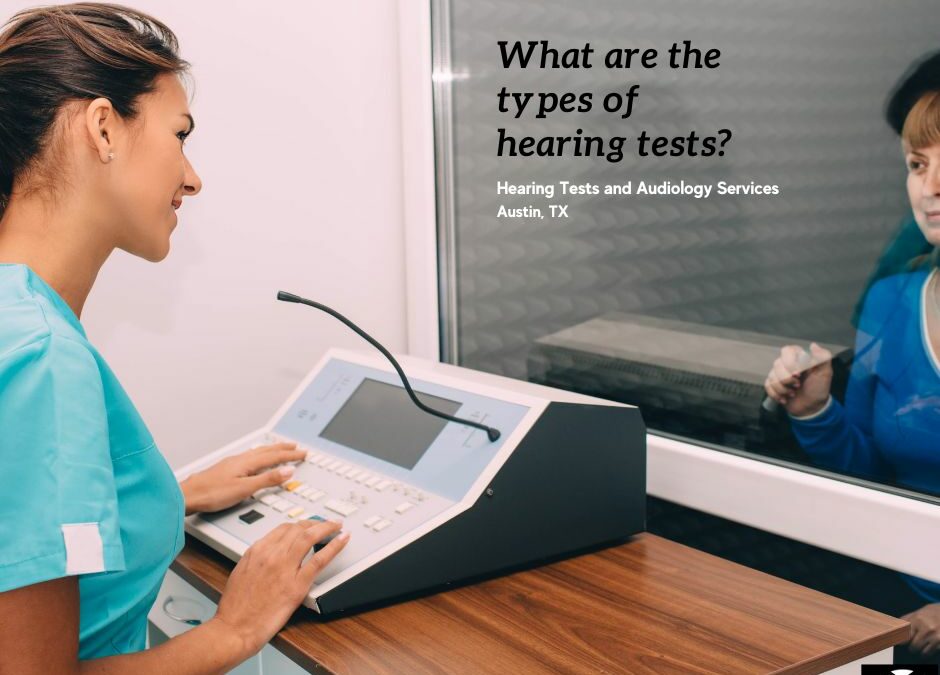
After hearing your family members or friends bug you about the television volume for the nth time, you’re now considering seeking professional help. An audiologist will provide hearing tests to diagnose and validate the nature and severity of your hearing loss.
Hearing tests are risk-free and comfortable and provide a baseline for your current hearing thresholds. The results are plotted on an audiogram, a visual representation to easily understand your current hearing capabilities.
Types of Hearing Tests
1. Otoacoustic Emissions (OAEs)
OAEs are sounds produced by hair cell vibrations in the cochlea of the inner ear. This form of examination employs a microscopic probe equipped with a speaker and microphone to trigger the cochlea and evaluate its response.
People with normal hearing will emit sound; those with hearing loss of more than 25 to 30 dB will not. This test helps identify if there is an obstruction in the ear canal, abnormal fluid levels in the middle ear, or damage to the cochlear hair cells.
OAE testing is also an integral part of hearing screening programs for newborns.
2. Auditory Brainstem Response (ABR)
ABR is used to determine the presence of sensorineural hearing loss (SNHL). This type of hearing loss manifests when there is an issue in the inner ear or with how the hearing nerve works.
Auditory Brainstem Response is used for neonatal hearing screenings. In an ABR examination, electrodes are connected to your skull, scalp, or earlobes, and headphones are provided. Your brainwave activity in reaction to noises of differing intensities is measured.
3. Acoustic Reflex Testing
This hearing test focuses on the involuntary muscle contractions of the middle ear. Through acoustic reflex testing, it is possible to pinpoint the source of the hearing problem, whether it is in the auditory nerve, cochlea, or ossicles.
4. Tympanometry
This type of acoustic evaluation is directed toward the middle ear, eardrum, and conduction bones. By creating variations of air pressure in the ear canal, audiologists can use tympanometry as an objective test of general middle-ear function.
The results gathered from this procedure provide additional needed information and dovetail with the results of other hearing tests for easier and more accurate diagnosis.
5. Speech Testing
This test is intended to determine the speech reception threshold (SRT), otherwise known as the quietest speech you can understand 50% of the time. It also assesses your ability to distinguish speech from ambient noise.
Speech testing or speech audiometry results provide important information as part of a comprehensive hearing evaluation. While other types of hearing tests directly evaluate hearing abilities, speech testing focuses on comprehension abilities.
6. Bone Conduction Testing
Through bone conduction testing, sounds will be sent through a specialized device. The gentle vibrations emitted during this test will directly stimulate the cochlea or inner ear, bypassing the middle and outer ear, and provide information about the nature and location of your hearing difficulties
This type of hearing test will allow audiologists to measure how well you can hear and help detect any issues with your middle and outer ear.
7. Pure Tone Testing
Also referred to as pure tone audiometry, this hearing test utilizes air conduction to evaluate your ability to hear sounds of varying pitches and intensities.
Various sounds (beeps and tones) will be transmitted through a specialized pair of headphones. You will be asked to respond by clicking a button or raising your hand whenever you hear a tone. The results will then be presented on an audiogram.
Hearing Tests in Austin, TX
RK Audiology provides a wide selection of hearing tests in South Austin, TX, and nearby locations.
Don’t wait until it’s too late – schedule your hearing appointment today!