
A Better Way to Care for Your Ears: The Benefits of Professional Ear Cleaning
This article explains why professional ear cleaning is the safest way to keep your ears healthy and free from blockage. It breaks down how the ear canal works, why wax builds up, and the safe procedure an audiologist uses during cleaning. You will also learn how proper ear hygiene protects your hearing and why expert inspection is worth it.
Most people have heard the warning about cotton swabs, yet many still try to clean their ears at home. It may seem strange to visit a clinic and pay for professional ear cleaning, but the ear canal is delicate and easy to injure. Caring for it the wrong way can create bigger problems. Knowing how your ears work and why expert cleaning is safer can help you protect your hearing and overall ear hygiene for years to come.
Professional ear cleaning is more than simple wax removal. It involves careful inspection, the right tools, sterile technique, and a clear understanding of the ear’s structure. At RK Audiology, we help people every day who feel blocked, uncomfortable, or worried about their ears. Many are surprised to learn there was more going on than they expected. With the right procedure and a trained specialist, earwax becomes simple to manage and much safer to remove.
Why the Ear Canal Needs Special Care
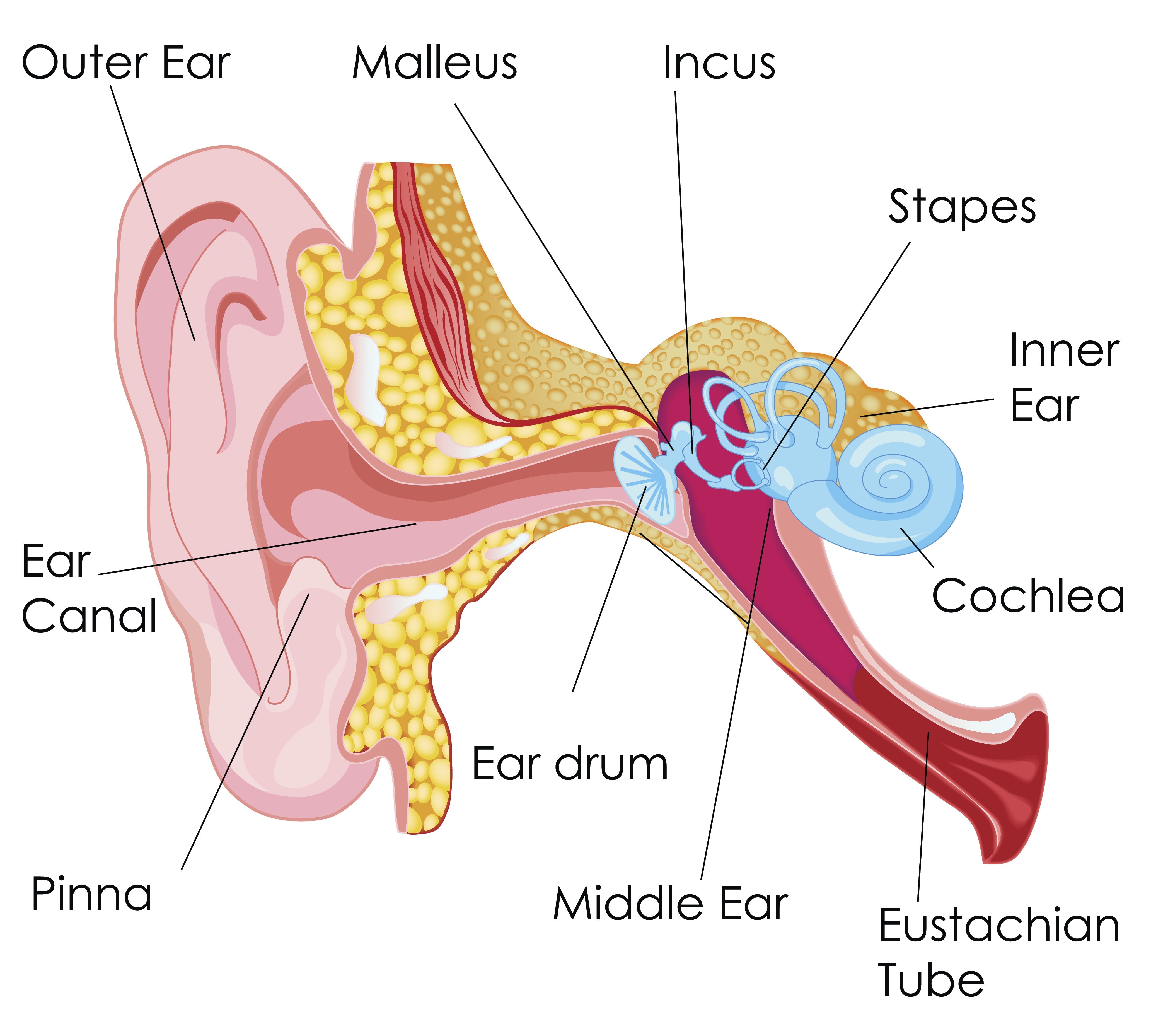
The ear canal may be small, but it leads to some of the most important parts of your hearing system. Sound travels through the canal and reaches the eardrum, or tympanic membrane. Behind that lies the middle ear, and even deeper is the inner ear with the cochlea and balance organs. The canal also connects to the eustachian tube, which controls pressure and helps drain fluid.
Because the canal is such an important entry point, it must be protected. Even tiny injuries from improper cleaning can lead to infection, pain, or long-term hearing problems. This is why choosing a safe solution, such as a professional ear cleaning procedure, is much better than using tools or cotton swabs at home.
Earwax Is a Healthy Part of Ear Hygiene
Earwax, or cerumen, is not dirt. It is a natural part of your body’s hygiene system. The skin inside the ear canal makes wax to:
-
Guard against germs
-
Trap dust and debris
-
Keep the canal moist
-
Block insects
-
Reduce infection risk
Earwax slowly moves outward on its own. Most of the time, it does not need help. Removing wax when it is not causing a problem can interrupt the ear’s natural cleaning technique and create irritation.
Why Wax Becomes a Problem
Even though wax is healthy, buildup can happen. Some people produce more wax than others, and some ear canals are shaped in a way that makes removing wax naturally harder. Hearing aids, earbuds, earplugs, frequent swimming, and dry skin can also make wax thicker or push it deeper.
When wax becomes stuck or impacted, it may cause:
-
Itching
-
Dryness
-
Pain
-
Ringing
-
Reduced hearing
-
Pressure
-
A blocked feeling
If these symptoms show up, you may need a safe and controlled removal procedure provided by an audiologist. RK Audiology connects you to expert audiologists in Austin, TX.
Why Home Tools Are Not Safe
Cotton swabs are one of the leading reasons people visit clinics needing treatment. Even when used gently, swabs push wax deeper into the ear canal. This can lead to impaction or injury.
Cotton swabs and sharp objects can cause:
-
Scratches
-
Bleeding
-
Infection
-
Eardrum punctures
-
Wax blockages
-
Skin damage
Other risky techniques include bobby pins, metal picks, or using long nails. Even small pressure inside the canal can harm the eardrum. These tools are never a safe solution.
Are Home Remedies Helpful?
Some methods are safe, while others are risky.
Safe options:
-
Gently wiping the outer ear with a washcloth
-
Using doctor-approved drops to soften wax at home
Unsafe options:
-
DIY mixtures
-
Online video methods
-
Ear candling
-
Harsh chemicals
Ear candling is especially dangerous. It does not remove wax and can burn the ear or leave candle residue behind. Always ask your audiologist for guidance, or schedule a consultation if you are unsure about any home treatments.
When You Should Consider Professional Ear Cleaning
Professional ear cleaning is helpful when you have:
-
Fullness or pressure
-
Trouble hearing
-
Itching or dryness
-
Pain
-
Wax that will not come out
-
Ringing in the ear
-
Thick or smelly fluid
People who wear hearing aids often need cleanings because wax blocks their devices. Audiologists provide safe removal and make sure the canal is healthy before you leave the clinic.
What Happens During a Professional Ear Cleaning?
The procedure is safe, comfortable, and designed to protect your ear canal. At RK Audiology, we follow a clean, sterile process so every patient receives safe and gentle care.
1. Ear Inspection
We begin with a close inspection using an otoscope or video otoscope. This tool allows us to see inside the canal clearly. You can also see the screen and watch what we see during the cleaning. We look for wax, dryness, irritation, fluid, or signs of infection.
2. Choosing the Right Technique
Not all wax is the same. Some wax is soft, while some is dry and flaky. Some sits near the entrance, while some is impacted deep inside. Based on what we find during our inspection, we select the safest technique:
-
Manual tools
-
Gentle suction
-
Irrigation with controlled water pressure
-
Softening drops before removal
3. Performing the Procedure
We remove wax slowly and gently. You may feel slight movement, but it should not hurt. The technique used depends on the type of wax and your comfort. Every tool is sterile, and we explain each step as we go.
4. Final Check and Care Instructions
After the removal, we inspect the ear again with the otoscope to make sure everything is clean and healthy. We may give advice for better hygiene, preventing buildup, or caring for dry skin in the canal.
Why Professional Cleaning Is the Best Solution
It’s safer
Professionals use proper tools and sterile techniques designed for ear canals.
It’s more effective
Wax that home tools cannot reach can be removed safely during the procedure.
It detects hidden problems
Sometimes the issue is infection, not wax. Professional inspection finds the real cause.
It protects your hearing
Removing blockage can instantly improve how clearly you hear.
It helps hearing aid users
Wax can block hearing aids or cause feedback. Regular cleaning keeps devices working well.
How Often Should You Get Professional Ear Cleaning?
Everyone is different. Some people need a cleaning every few months, while others may only need a yearly appointment. Your audiologist can help you decide based on your:
-
Wax production
-
Ear canal shape
-
Hearing aid use
-
Skin or allergy issues
Regular consultation helps you stay ahead of buildup and avoid discomfort.
When Not to Wait
Seek treatment right away if you notice:
-
Sudden hearing changes
-
Sharp pain
-
Dizziness
-
Drainage or odor
-
Ringing with fullness
-
A feeling of something stuck inside
These could be signs of infection or other conditions that need medical help.
How RK Audiology Helps
At RK Audiology, we focus on safe removal, clear inspection, and long-term ear health. Our clinic uses video otoscope equipment so you can see what is happening inside your ear before, during, and after the procedure. We also guide you through simple steps to keep your ears clean, dry, and protected between visits.
Our goal is to provide a comfortable, professional, and complete ear-care experience. We offer treatment options, routine cleanings, and follow-up consultation to keep your hearing at its best.
Final Thoughts
Ear health should never be taken lightly. Even small mistakes at home can lead to bigger problems like blockage, pain, or injury. Choosing professional ear cleaning helps you avoid risky tools, get a safe and sterile procedure, and protect the delicate parts of your hearing system. At RK Audiology in South Austin, our team is here to provide gentle removal, careful inspection, and helpful solutions for all your ear-care needs. With the right treatment and technique, you can keep your ears healthy and your hearing clear now and in the future.